Explore Sri Lanka’s rich heritage with visits to UNESCO World Heritage Sites like Sigiriya Rock Fortress, Dambulla Cave Temple, Anuradhapura, Polonnaruwa, and the Temple of the Tooth in Kandy. Enjoy a thrilling Minneriya safari and discover sacred temples, ancient capitals, and vibrant culture throughout this unforgettable journey.
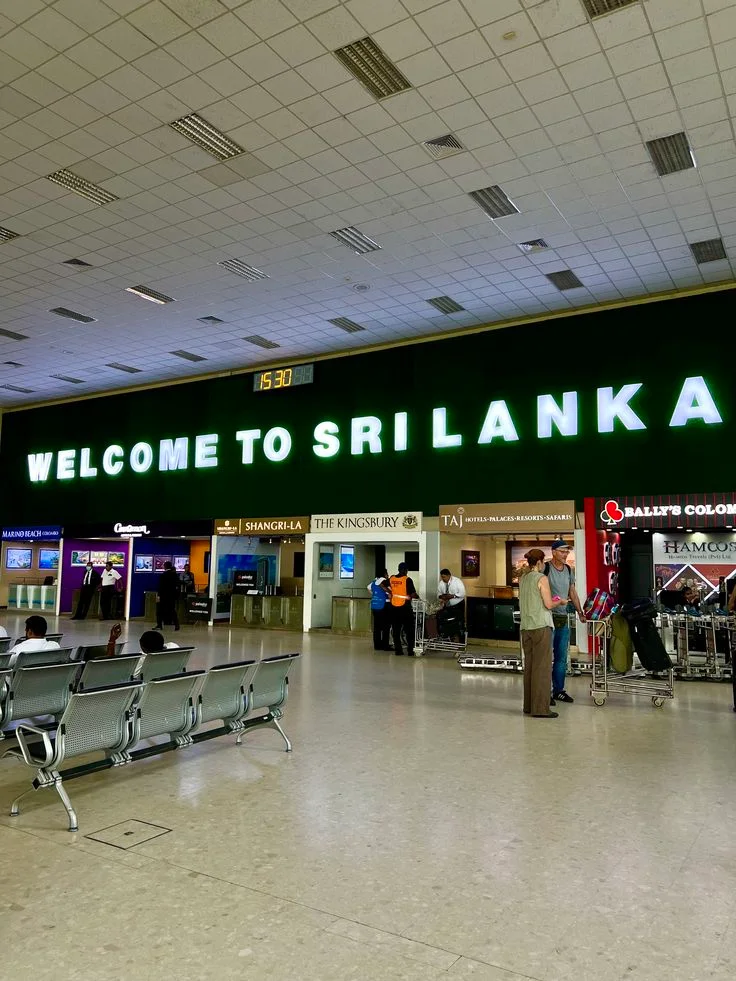
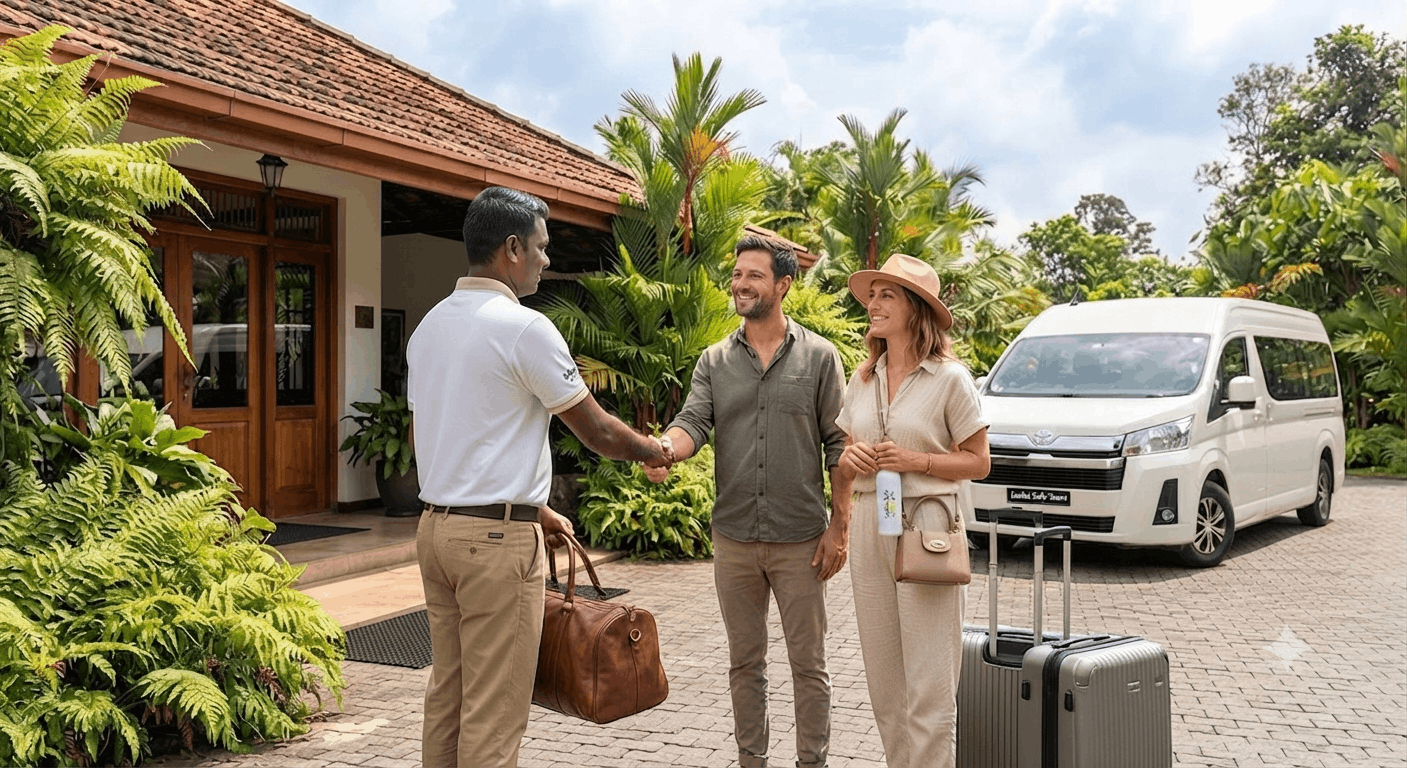
In line with your 4-night, 5-day cultural trip, you will touch down at Bandaranaike International Airport today. At the airport, a representative of LANKA SAFE TOURS will meet and greet you before driving you to your first stop, the City of Sigiriya. On the way, you will visit the Dambulla Golden Temple, also known as the Rangiri Dambulla Cave Temple, which will be our final stop. The complex, which consists of five tunnels, is the biggest and best-preserved cave temple in Sri Lanka. Murals are painted on a 2100 m2 area of the walls. The temple contains 157 sculptures in all. The massive 150m-tall rock that serves as the temple’s ceiling makes its presence a natural wonder. The enormous, 15-meter-tall golden statue and pagoda were built after extensive restoration work. Additionally, the temple is a UNESCO World Heritage Site. We will travel to your hotel in Sri Lanka for supper and the night after touring the temple


On the second day, we will be traveling to Anuradhapura. First, we’ll travel to Mihintale, a city famed for its religious diversity, monarchy, war, and military history. Mihintale is 12 kilometers from Anuradhapura. Mahinda’s hill is the Sinhalese name for Mihintale, a Buddhist monk who flourished in the eleventh century. This city has been classified as a wildlife sanctuary for more than 2,200 years, making it the oldest wildlife sanctuary in the whole world. Sri Lankans highly revere this landmark as the site of a meeting between the Buddhist monk Mahinda and King Devanampiyatissa that formally founded Buddhism in Sri Lanka.
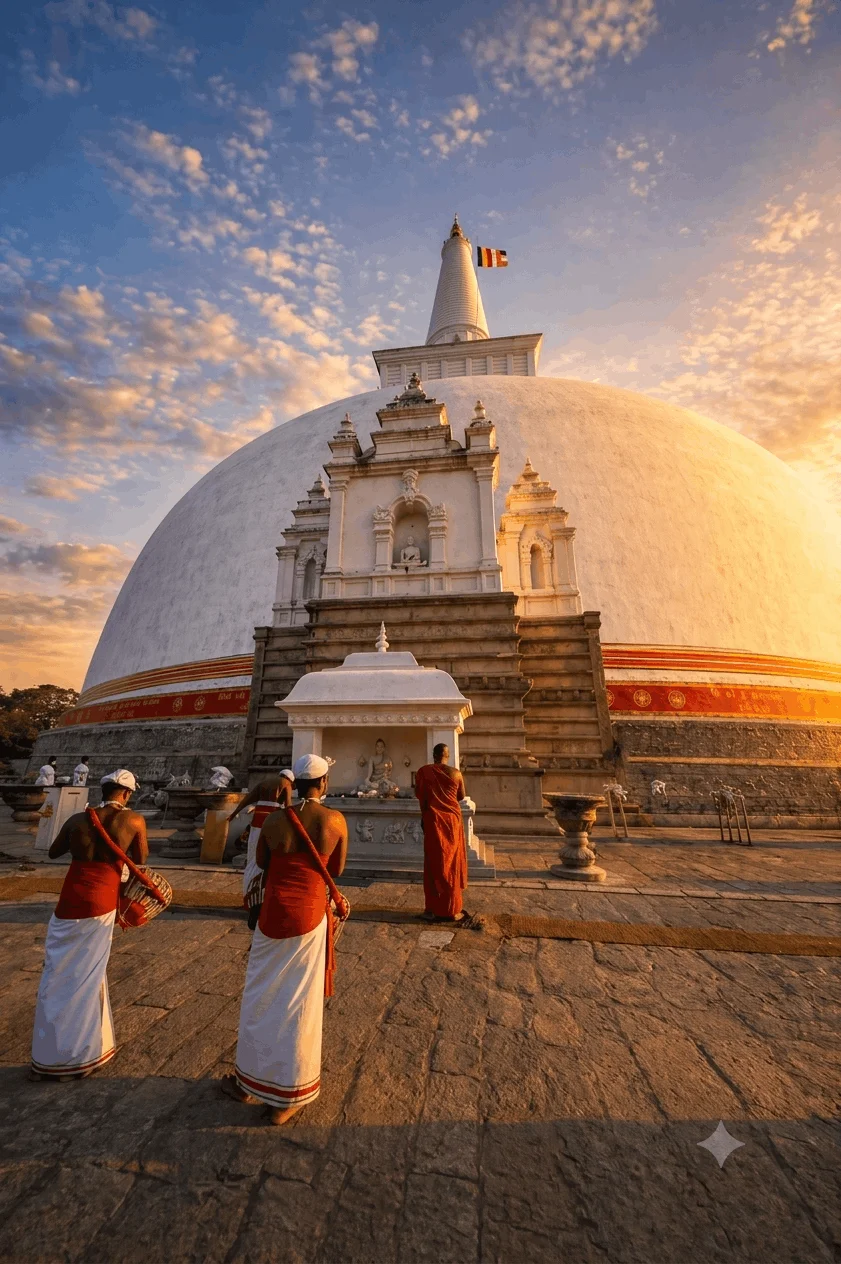
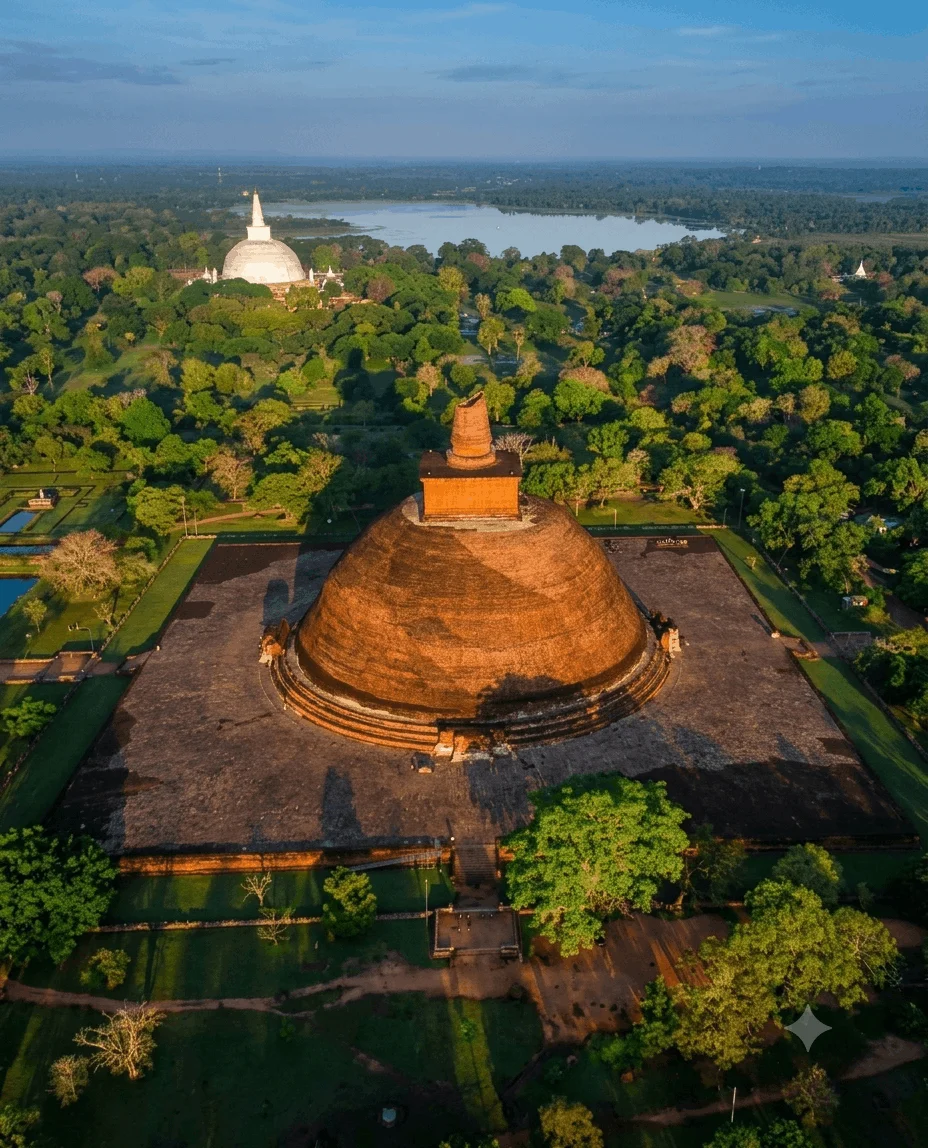
After that, we’ll go to the Atamasthana, also known as the “Eight Sacred Places,” which the Buddha visited during his three journeys around Sri Lanka. Among the sacred locations are Jaya Sri Maha Bodhiya, Ruwanwelisaya, Thuparamaya, Lovamahapaya, Abhayagiri Dagaba, Jetavanarama, Mirisaveti Stupa, and Lankarama. They are situated in Anuradhapura, the former capital of the Anuradhapura Kingdom.
The sacred city of Anuradhapura made a substantial contribution to the nation’s architectural development for many years. The city was listed as a UNESCO World Heritage Site in 1982. Upon leaving the Atamasthana, a driver will take you to your Sigiriya hotel.


On the third day of your journey, you’ll travel to the ancient city of Polonnaruwa. The second-oldest kingdom in Sri Lanka is Polonnaruwa. Polonnaruwa served as Sri Lanka’s second capital after Anuradhapura was destroyed in 993. It also features the spectacular remnants of Parakramabahu’s exquisite garden city, which was created in the 12th century, together with the Chola-built Brahmanic monuments. The city is teeming with archaeological treasures, including temples, shrines, castles, and ruins. Discover the royal house of King Parakramabahu I (1153–1186). The 50-room, once-massive edifice still has sturdy walls. The walls of the king’s audience chamber are flanked by intricately carved stone elephants, while lion statues keep guard. There is enormous fresh-water-spitting crocodile-mouth statues in the king’s bathing pool. The Shiva Devale No. 2, the second-oldest Hindu temple in Polonnaruwa, is constructed of stone and is tucked away in a little wooded area.
Following a trip to the historic Polonnaruwa, our route will take us straight to Minneriya National Park. A lot of people visit this wildlife refuge to see Sri Lankan elephants. You may see 150–300 wild elephants congregating near Minneriya Tank during the dry season. Wild species including the Sri Lankan Leopard, Sloth Bear, Sri Lankan Sambar Deer, Buffalo, and indigenous monkeys may be found in the 888.4-hectare Minneriya National Park. After that, we return to your Sigiriya hotel for the night.


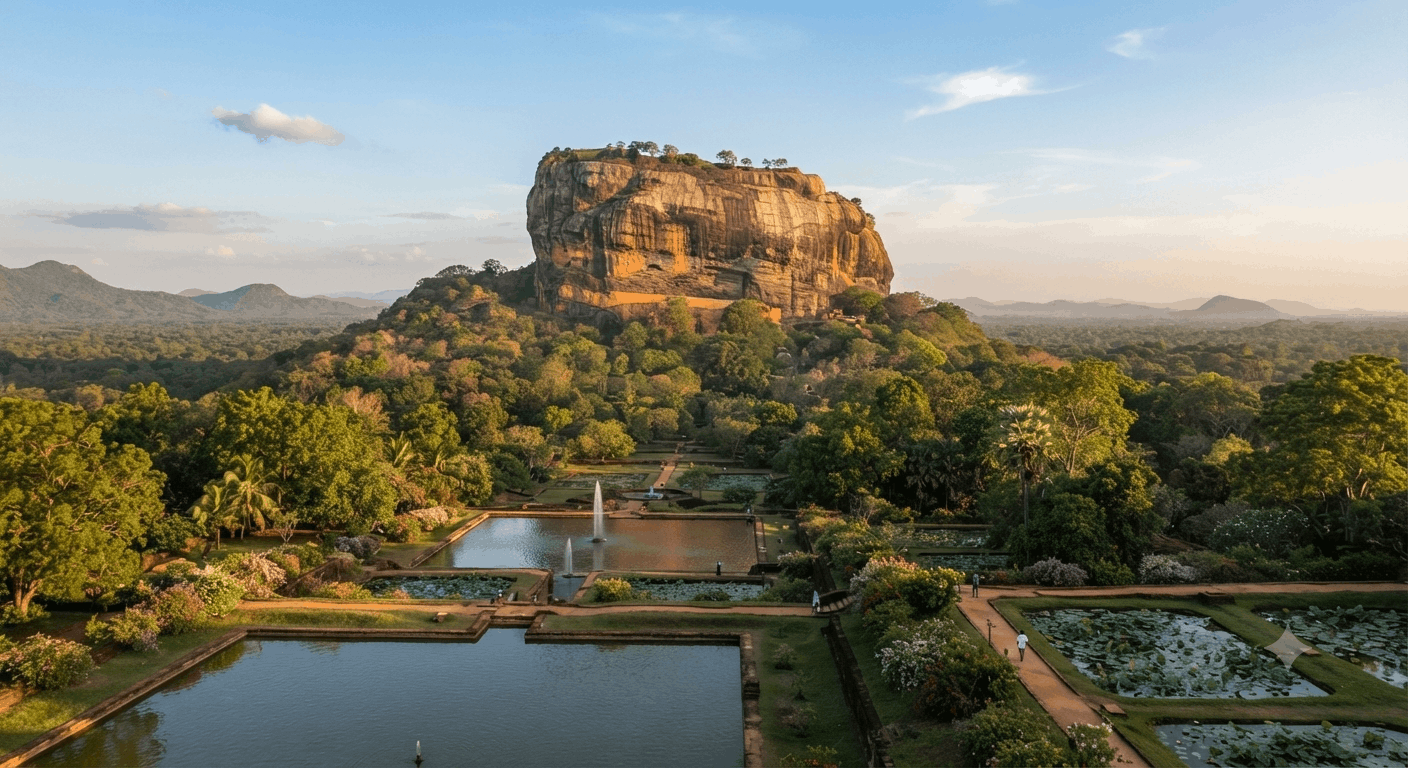
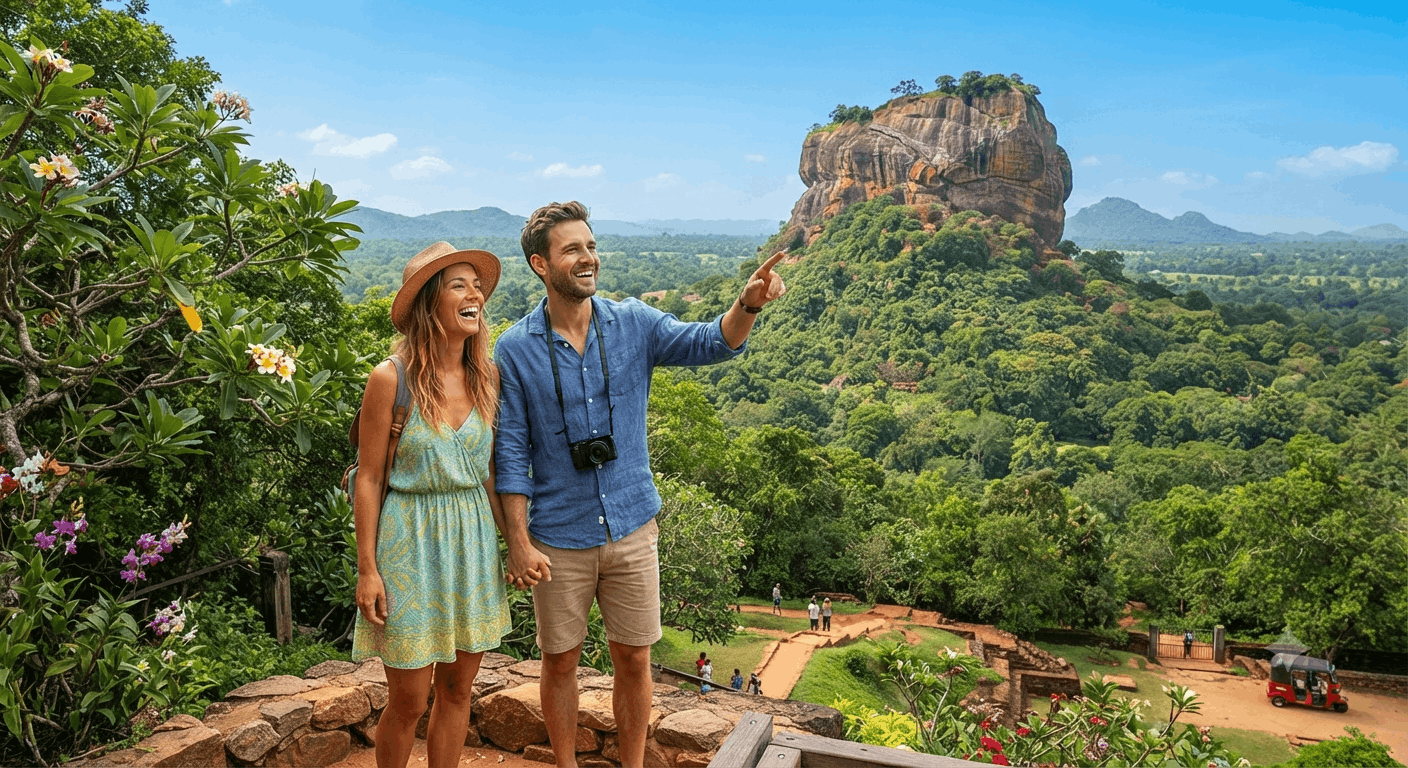
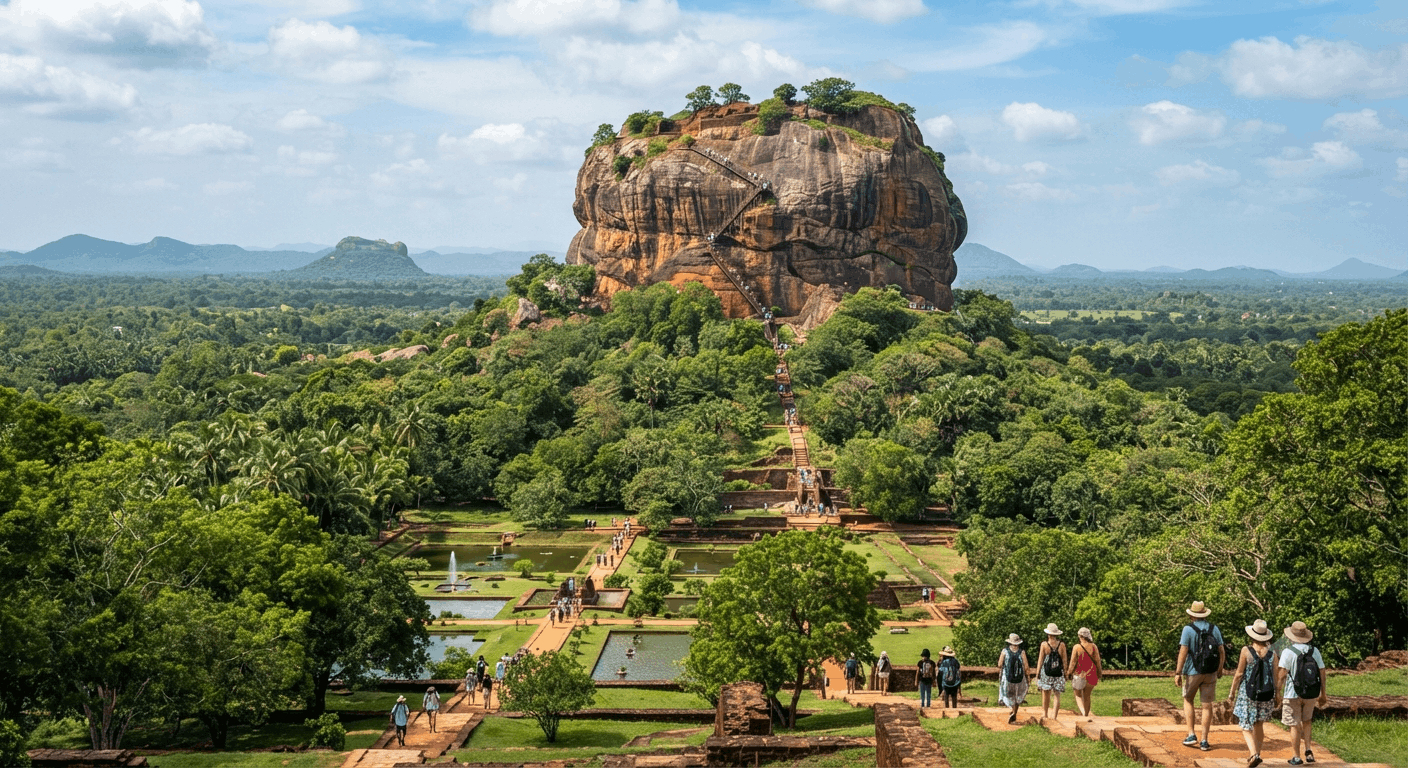
On day four, you will get the chance to engage in some climbing activities before heading to Kandy, which is famous for its rock fortress, Sigiriya. Sigiriya, sometimes known as the “lion rock,” served as the seat of government and the citadel of King Kashyapa. The rock is 180 meters high. The legend surrounding Sigiriya claims that King Kashyapa constructed a gateway in the shape of a massive lion halfway up a cliff. It was known as the “lion rock” because of its form (Sigiriya). The castle was abandoned as a result of the king’s passing. It was still being used as a Buddhist monastery in the fourteenth century. The fortress’s remains are still visible today and have been designated a World Heritage Site by UNESCO.
The spice garden, a mysterious location full of fragrances and greenery, will be our next stop. You will also get the chance to learn about the various uses of spices in food and medicine.
Next, we will be heading to Nalanda Gedige Temple. In Matale, Sri Lanka, there is a historic stone temple called Nalanda Gedige, whose original location is regarded as Sri Lanka’s geographic center. The edifice is said to have been utilized by Buddhists and was built using Dravidian architecture in the Pallava style during the eighth and tenth centuries. According to an inscription discovered on a pillar at the site dating from the 9th to the 10th century A.D., it has a set of guidelines created specifically for the temple and is written in the Sinhala language. Additionally, some academics claim that this structure has Dravidian characteristics, is dedicated to a Mahayana cult with strong Tantric learning and may have Vajrayana (Tantric) Buddhist connections.
The Matale Muthumariamman Temple is our next stop. The words Muthu, which means pearl, Mari, which means rain, and Amman, which means mother, are combined to form the name Muthumariamman. It is a shrine to Mariamman, the Hindu deity of rain and fertility. It’s a pleasure to visit the temple. The temple receives a lot of visitors for religious purposes and marriages. The main religious celebration in the temple during the month of March is the chariot festival, which is a joyful celebration. After that, we’ll head straight to Kandy, so you may eat and stay the night.


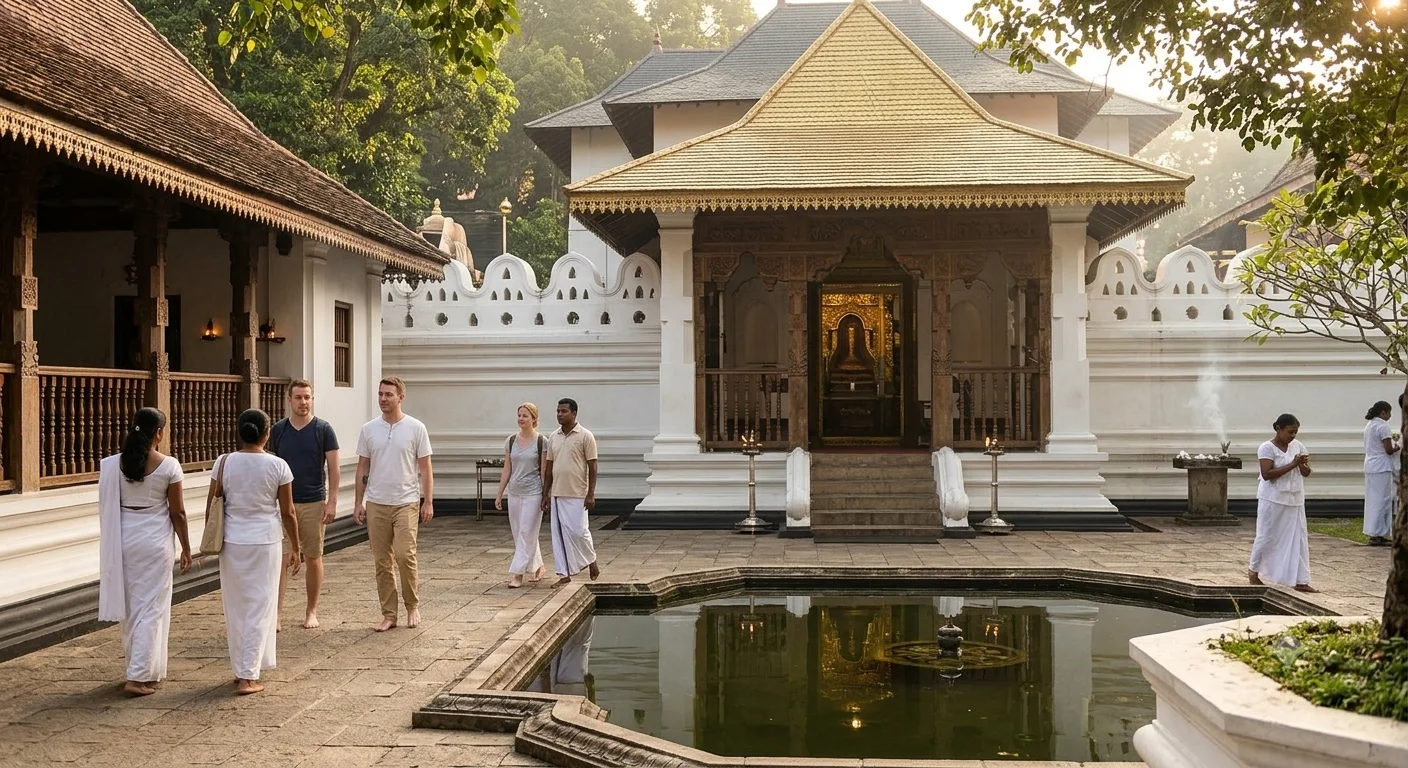
On day five, your final day of travel, we’ll drive you to a few nearby locations before traveling to the airport. Our car will pick you up at the hotel after breakfast. One of the places we will visit is the Temple of the Tooth Relic (Sri Dalada Maligawa), one of Sri Lanka’s most popular tourist attractions. It is a very significant and revered location for all Buddhists worldwide. It is the temple where the Buddha’s left canine tooth is revered. It was recognized as a global cultural treasure by UNESCO in 1988.
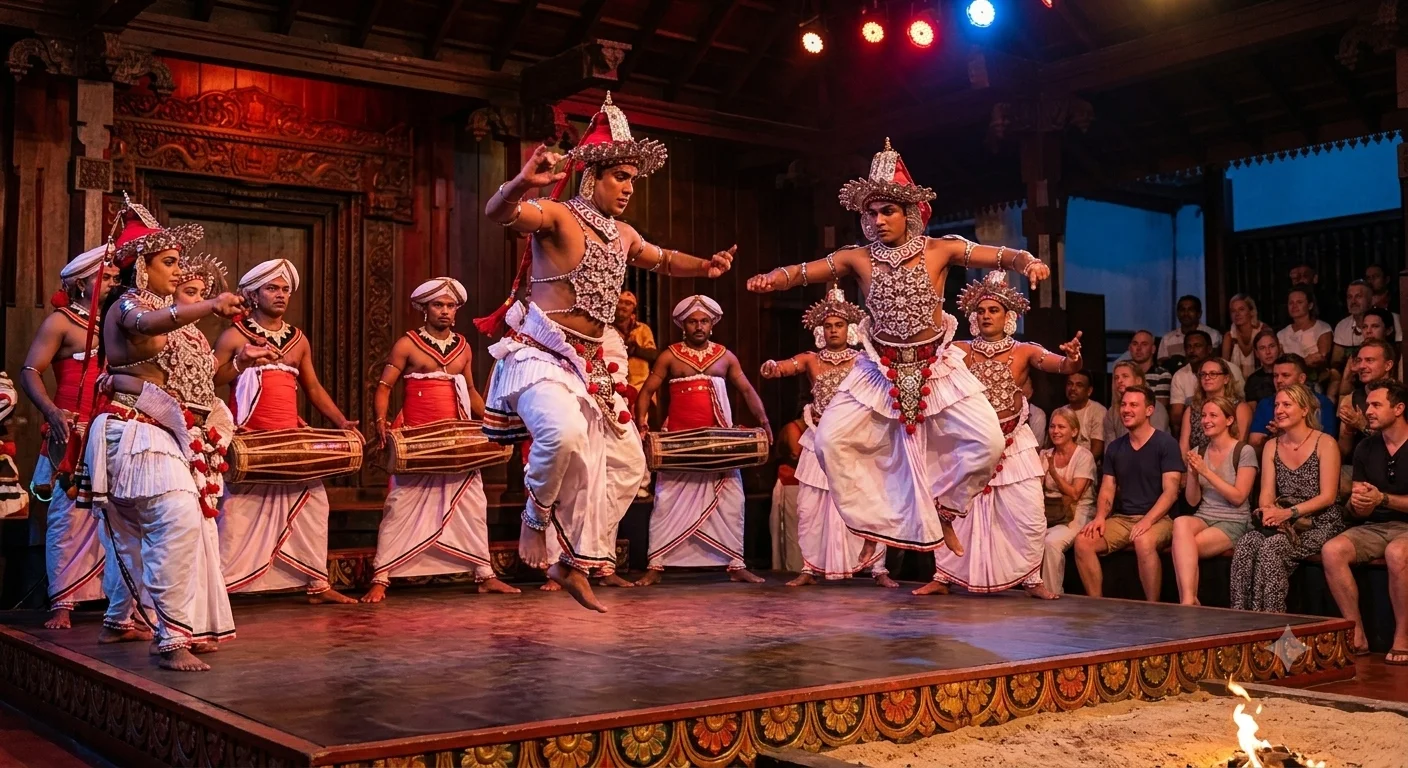
Then we’ll be going to the Embekka Devalaya, which is in Udunuwara’s Medapalata Korale. The Embekka Devalaya was built in Sri Lanka by King Vikramabahu III during the Gampola Era (AD 1357–1344). (Embekka Temple). The Devalaya’s main attraction is the Kataragama deviyo. Additionally, Devatha Bandara, a local deity, is revered here. The shrine is made up of three parts: the “Sanctum of Garagha,” the “Digge,” or “Dancing Hall,” and the “Hevisi Mandapaya,” or “Drummers’ Hall.” The magnificent woodcarvings on the ornate pillars and the steeply pitched roof of the Drummers’ Hall have drawn visitors in.
Afterward, we will head to Lankatilaka Viharaya, a Buddhist temple situated in Udunuwara, Kandy, Sri Lanka. It is located on Daulagala road, approximately 4 km (2.5 mi) away from Pilimatalawa junction and a few kilometres from the Buddhist temple, Gadaladeniya Vihara. It is considered the most magnificent architectural edifice created during the Gampola era. The temple has a long history that dates back to the 14th century. According to historical accounts, King Bhuvanekabahu IV, who ruled from 1341 to 1351 A.D., reportedly erected this temple. The Panhalgala Rock, a naturally occurring rock, is the foundation for the vihara structures. The picture house, among the structures, has distinctively impressive architectural characteristics that are adorned with conventional Sinhalese sculptures.
After that, we will travel to Pilimathalawa, Kandy, Sri Lanka, where there is a historic Buddhist temple named Gadaladenyia Vihara. The names Saddharmatilaka Vihara or Dharma Kirthi Viharaya are also used to describe it. The temple was built in 1344 AD, according to an inscription carved into the walls by King Buwanekabaghu the fourth. The temple was built in a manner approximating South Indian architecture by the South Indian architect Ganesvarachchari.
Afterward, we will be heading straight to the airport, concluding your trip with LANKA SAFE TOURS.



Experience carefully crafted journeys with Jacaranda Travels Tours from golden beaches and ancient heritage sites to wildlife safaris and breathtaking hill country escapes. Our tours are designed to deliver comfort, adventure, and unforgettable memories for every traveler.
jacaranda Travels provides a full range of tourism services including customized tour packages, hotel bookings, airport transfers, guided tours, and transportation across Sri Lanka.
Yes, absolutely! At jacaranda Travels, we specialize in tailor-made travel experiences. You can customize your itinerary based on your preferences, budget, and travel duration.
Yes, we offer reliable airport pickup and drop-off services to ensure a smooth and comfortable start and end to your journey.
We offer a variety of tours including cultural tours, beach holidays, wildlife safaris, honeymoon packages, adventure tours, and family vacations.
You can easily book a tour through our website, via WhatsApp, email, or by contacting our support team directly.
Yes, all our tour guides are experienced, friendly, and knowledgeable about Sri Lanka’s history, culture, and attractions.
Our packages typically include accommodation, transportation, guided tours, and selected meals. Specific inclusions may vary depending on the package.
Yes, Sri Lanka is generally a safe and welcoming destination for travelers. At Jacaranda Travels, we prioritize your safety and comfort throughout your journey.
Sri Lanka is a year-round destination. The best time depends on the region you plan to visit, but generally, December to April is ideal for the west and south coasts, while May to September is best for the east coast.
We accept bank transfers, credit/debit cards, and online payments. Payment details will be provided during the booking process.
Hear from travelers who have explored the world with Jacaranda Travels Tours. From unforgettable adventures and breathtaking destinations to seamless planning and exceptional service, our guests share the experiences and memories that made their journeys truly special.